
Article: How a Paper-it Notebook Is Made: From Raw Paper to Finished Object

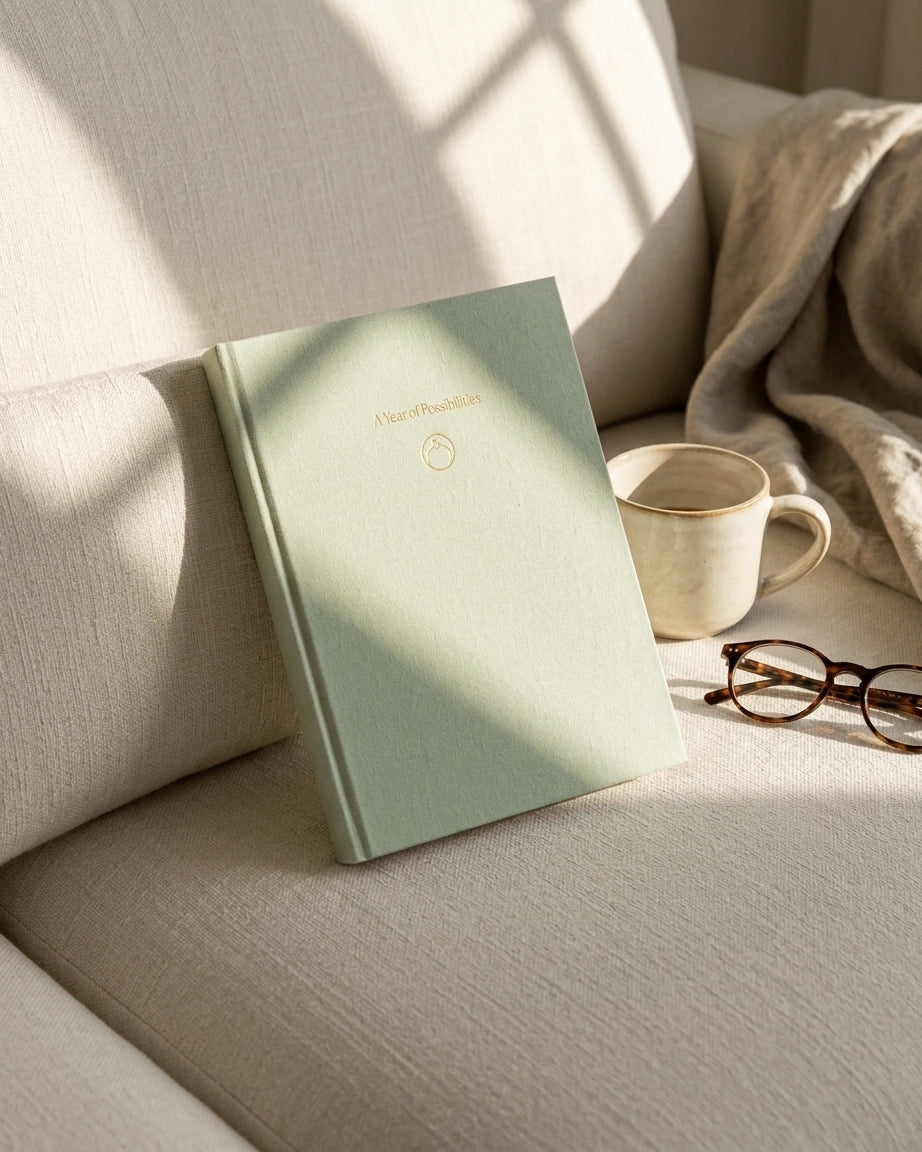
How a Paper-it Notebook Is Made: From Raw Paper to Finished Object
Most people pick a notebook by its cover. But the way a notebook feels in use, how the paper takes ink, whether it lies flat, whether the foil stays crisp, is decided long before it reaches you.
Every Paper-it object passes through the same careful hands. Here is the process, one step at a time.

1. The Paper
It starts with uncoated sheets, chosen for tooth and weight.
Tooth is the slight texture of the surface. It is what makes a pen feel like it is gripping the page instead of skating across it. Weight is how thick and sturdy the sheet is, and it decides whether ink shows through to the other side. Coated, glossy paper looks smooth but can feel slippery under a pen, which is why we work with uncoated sheets.

2. The Press
Each sheet is printed slow, with the ink set deep.
Printing slowly gives the ink time to settle into the paper rather than sit on top of it. The result is clean, even colour and lines that stay sharp, on the cover pages and on the interior pages you write on.

3. Foil and Emboss
Gold and blind foil, pressed by hand.
Gold foil is the metallic finish you see catching the light on our covers. Blind foil (also called blind emboss) uses the same pressing but no colour, leaving a pressed-in impression you can feel with your fingertip. Both are applied with heat and pressure, and pressing by hand means each cover gets individual attention.
This is the same finish on our Initial Notebooks, where a gold-foiled initial turns a notebook into something personal.

4. The Bind
A cloth spine, stitched to lie flat.
Binding decides whether a notebook is a pleasure or a nuisance to write in. A stitched spine lets the book open flat and stay open, so you are not fighting the pages with your free hand. Cloth on the spine is also more flexible than stiff board, which helps the notebook last through daily use in a bag.

5. The Finished Object
Checked, wrapped and ready to go.
Before anything leaves us, it is looked over, wrapped and made ready to be given or kept. That last step matters because many of our notebooks are bought as gifts, and the first thing someone sees should already feel considered.
Why It Matters When You Choose a Notebook
When you are comparing notebooks, these are the questions the process answers:
• Does the paper suit your pen? Uncoated, weighty paper tends to feel better with ink and pencil.
- Does the notebook open flat? A stitched spine makes a real difference at a desk.
- Will the cover stay beautiful? Pressed foil and cloth hold up well with daily handling.
- Is it ready to give? A notebook that arrives wrapped and checked can go straight into a gift.
Want Something Made for You?
The same process is how we handle personalised and bulk orders, such as notebooks with initials or custom foil for a team or an event. Write to operations@paper-it.com with what you have in mind.